After we lost our beloved Jersey cow, Bessie, I really dove into nutrition dairy cows. I never wanted to go through losing a cow again, especially for unknown reasons. When Bessie first went down we immediately started trying to figure out what nutrition she could be missing in her diet. One of the things that we did was put loose minerals out. We did not know much about minerals at the time so we just bought whatever our local feed store had and honestly, I don’t even remember what it was. At this point, I continued to search out sources on the internet that could tell me how to keep my cows as healthy as they could possibly be.
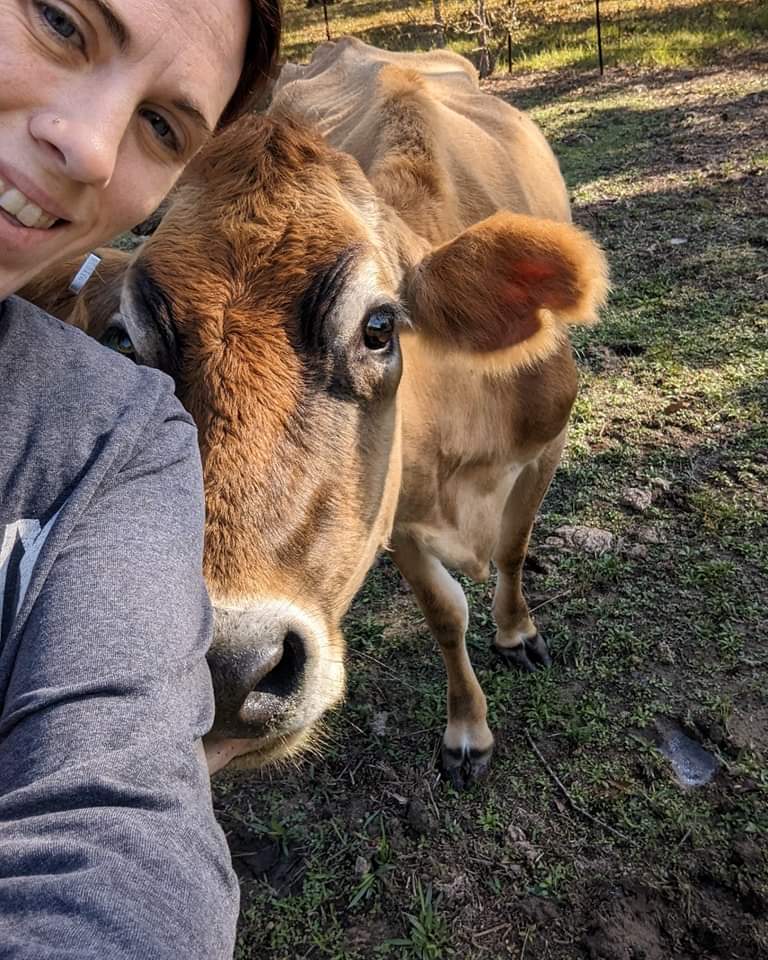
In my search, I came across a podcast by Homesteaders of America featuring Josh Fuhrmann. His family owns a small dairy farm with A2A2 grass fed dairy cows. I found him to be an amazing resource! He talked about a cow’s diet and how what cows have been fed through history has actually changed their milk today. This is where I first learned that *A1 milk, did not even exist until the Industrial Revolution when we started putting dairy farms next to distilleries and feeding them the leftovers from brewing and distilling alcohol. Feeding cows this way instead of having them out on open pasture caused so much change in their rumens that the protein beta casein in their milk changed. People were getting sick and because this was about the same time that Louis Pasteur was making his discoveries about pasteurizing milk, society took what they saw as the easy way out. The demonizing raw milk began rather than just putting these cows back out on grass.
After this discovery, the first task that I decided to take on was becoming a fully grass-fed farm. I began switching out grain with Alfalfa pellets (or other grass pellets such as teff grass if Alfalfa was not available) in addition to making sure that they have good quality hay in the winter. We were already rotationally grazing as long as the grass was green so we were at least doing that part right.
After I had slowly weaned our dairy cow off of grain, we went to the Homesteaders of America conference where I had the privilege of hearing Joshua Fuhrmann speak in person about holistic care for dairy cows. He is such a wealth of knowledge and I’m so happy that I was able to listen to his talk because it changed our cow’s health even more!

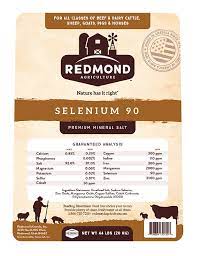
When we went home, the first thing we did was get our hands on some Redmond selenium 90. We mixed a 50 lb bag of selenium 90 with 5 lb of Kelp and began giving her the suggested measured amount everyday because I did not have a free choice mineral container in the pasture that our dairy was currently in. In the morning when I milked her, I would give her alfalfa pellets and when she was done eating, I just put this mixture in her bowl and she would excitedly lick every last bit of it up!
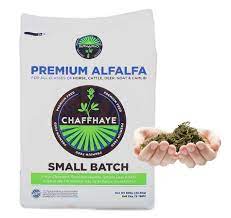
Another thing that Josh shared was that he feeds a product called Chaffhaye. Chaffhaye, per their website, undergoes a natural fermentation that transforms the raw alfalfa into a super digestible forage, enriching it with yeast, enzymes, and beneficial microflora that aid digestion as well as absorption of its nutrients by the animal. We were able to find a store not terribly far from us that carries Chaffhaye and our animals absolutely love it! We actually found that it was very reasonably priced as well. On the bag there is a suggested feeding amount, but since we also feed our animals alfalfa pellets once a day alongside free choice hay, we cut that amount in half and replaced some of the alfalfa pellets that we had previously been feeding. It has actually saved us a bit on our feed bill. Josh also encouraged us to be putting flaxseed oil on the feed to help and maintain body condition through the winter so I started doing that as soon as the weather started getting cold as well.
Not only have we seen our Jersey cow’s body condition being improve, these changes have drastically changed her milk. This was not something I was expecting. It makes sense however, that if the cow is healthier then the milk they are producing will be healthier. It is just like how free range chickens have darker, more nutritious yellow yolk than chickens who never see the sun or grass. The cream content in the milk started increasing which means more butter and more cream for my coffee which are both great improvements in my book! Another thing that I noticed that was completely unexpected, was that the same amount of milk made significantly more mozzarella. Let me explain. I have always used 2 gallons of milk and have gotten about 2 lb of mozzarella. When you Google how much mozzarella you can get from a gallon of milk it is 1 to 1.25 lb of mozzarella. I made mozzarella today using two gallons of milk and got 3 lb and 2 oz of mozzarella! This was an especially exciting surprise because now my milk will go farther and provide more use for us.
All this to say, nutrition is incredibly important and I encourage you to dive into studying and learning how to get and keep your cow as healthy as possible you will! To recap, I highly recommend selenium 90 mixed with kelp, Chaffhaye, flaxseed oil in the winter and it is also my belief that cows should not be fed grain. That is a personal choice that you have to make for yourself. Happy Homesteading!
*Originally all milk as “A2A2” this has to do the the beta casein protein in the milk. A1 milk is far more difficult to digest causing many people to think that they are lactose intolerant, when really they just need A2A2 milk.
 Big Oaks Little Farm
Leave a comment